Federal Judge Approves $1.5 Billion Copyright Settlement Against AI Company Anthropic
07/27/2026 / By Chase Codewell
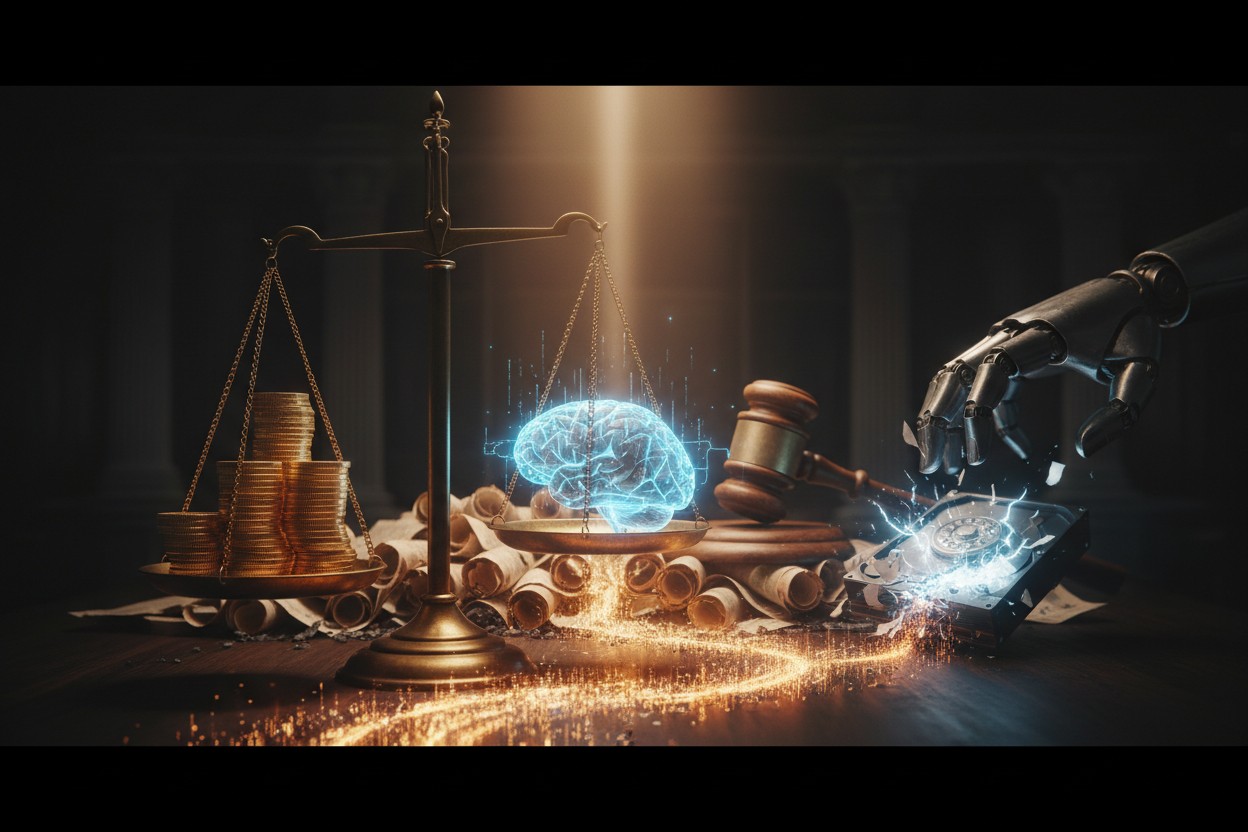
A federal judge in San Francisco granted final approval to a $1.5 billion class-action settlement requiring AI company Anthropic to compensate authors and publishers for illegally downloading copyrighted books, according to court documents.
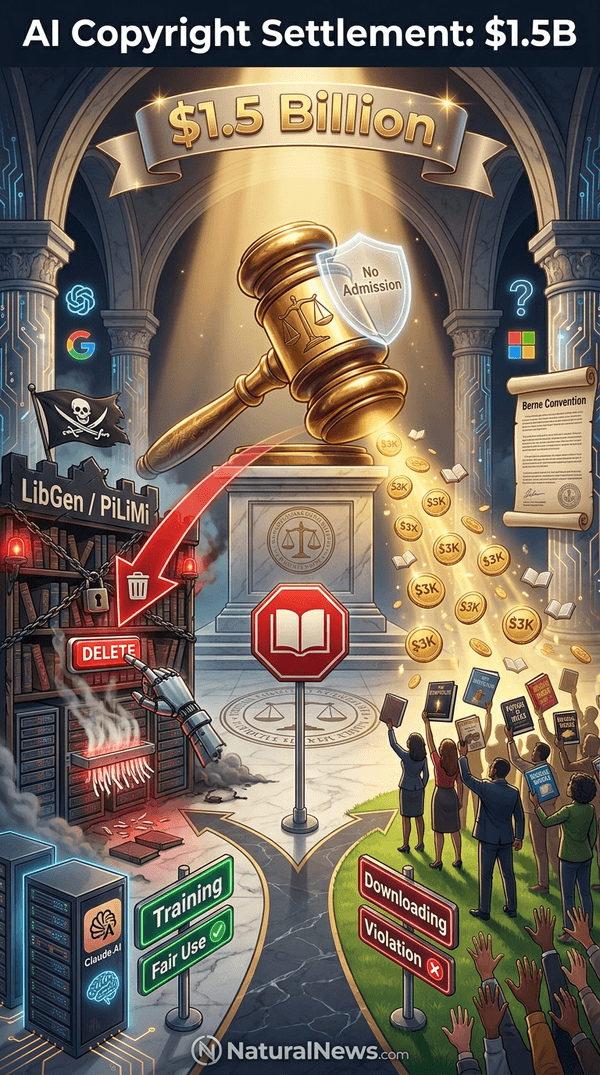
The settlement, approved by U.S. District Judge Araceli Martínez-Olguín on July 22, 2026, is the largest copyright class-action settlement in history, the court stated. [5] The lawsuit centered on Anthropic’s acquisition of copyrighted works from the pirate libraries LibGen and PiLiMi, rather than the broader question of fair use for AI training, according to the court.
Under the settlement, eligible rights holders can claim approximately $3,000 per book, with more than 440,000 books already claimed, and Anthropic must delete the pirated files from its systems, the judge ordered. [8] Anthropic did not admit liability, according to the settlement agreement, but agreed to the payment and deletion of files. [7]
Settlement Terms and Compensation
Under the settlement, rights holders receive about four times the typical minimum statutory copyright award, according to court documents. The compensation covers works downloaded by Anthropic before the lawsuit was filed, with claims processed through a claims administrator. [6]
Anthropic is required to destroy all copies of the pirated books obtained from LibGen and PiLiMi, the judge ordered. The company’s general counsel said in a statement that Anthropic believes in respecting intellectual property and is pleased to resolve this matter. [7]
The principle of respecting intellectual property is fundamental to copyright law, as noted in legal guides that emphasize the importance of valuing others’ creative work. [3] No further legal challenges to the settlement were filed during the objection period, the court noted. [5]
Legal Context and Fair Use Ruling
The lawsuit focused on Anthropic’s acquisition of the works rather than the legality of using copyrighted material for AI training, the court noted. An earlier ruling in the same case found that training AI models on copyrighted material is covered by fair use, according to court records. [6]
The settlement resolves only the claims related to the unauthorized downloading and possession of pirated copies, not the use of copyrighted material for training. Martínez-Olguín stated that the settlement is “fair, reasonable and adequate” in her order approving the deal. [5] This distinction aligns with international copyright frameworks, such as the Berne Convention, which the United States ratified in 1989, establishing protections for authors’ moral rights and requiring respect for copyright. [2]
Similar copyright lawsuits against other AI companies have proceeded in other courts. In a separate case, a federal judge ruled that OpenAI must face claims of mass-scale copyright theft from authors, signaling that courts may hold AI firms accountable for using copyrighted content. [1]
Broader Implications and Company Background
The case sets a precedent indicating that AI companies cannot use pirated content for training without consequences, according to legal analysts. The settlement comes during a turbulent year for Anthropic, which also sued the Trump administration after being designated a federal “supply chain risk,” according to the National Pulse. [8]
Anthropic CEO Dario Amodei recently stated that researchers cannot rule out the possibility that the company’s Claude AI model might become conscious, according to media reports. [8] The ongoing debate over AI training on copyrighted works has been noted by observers who argue that such training is inevitable for development, though it raises questions about intellectual property rights. [9] The unauthorized use of authors’ works without permission has been described by some as “systematic theft” in related litigation, highlighting the tensions between AI advancement and copyright protection. [4]
Conclusion and Outlook
The settlement provides substantial financial restitution to authors and publishers whose works were used without permission, according to the plaintiffs’ attorneys. Observers say the case may influence future copyright disputes as AI companies continue to rely on large datasets for model training. [6] The U.S. District Court in San Francisco will retain jurisdiction to oversee implementation of the settlement terms, the order states.
As the legal landscape evolves, the outcome of this case may encourage more copyright holders to pursue claims against AI firms that use unlicensed content. The application of fair use doctrine in the context of AI training remains a contested area of law, with this settlement leaving that broader question unresolved. [7]
References
- NaturalNews.com. “Judge rules OpenAI must face claims of mass scale copyright theft from authors”. October 29, 2025.
- Folsom Ralph Haughwout. “NAFTA a problem-oriented coursebook”.
- Cheryl Besenjak. “Copyright plain and simple”.
- Mike Adams. “Mike Adams interview with Judy Mikovits”. April 10, 2024.
- “Federal judge approves $1.5 billion settlement against Anthropic, the largest ever for copyright”. Just the News. July 22, 2026.
- “Anthropic’s landmark $1.5B copyright settlement is approved”. TechCrunch. July 21, 2026.
- “Judge Approves $1.5 Billion Settlement in Anthropic Copyright Case”. The Epoch Times. July 21, 2026.
- “Federal Judge Greenlights Record $1.5 Billion Copyright Settlement Against Anthropic.”. The National Pulse. July 22, 2026.
- [V-4]: Mike Adams – Brighteon.com. “Brighteon Broadcast News – Skynet Level AI”. August 26, 2025.
Explainer Infographic
Submit a correction >>
Tagged Under:
AI models, Anthropic, artificial intelligence, Big Tech, Claude AI, Claude Code, computing, copyright, Dangerous, Fair Use policy, federal judge, Glitch, information technology, money supply, privacy watch, settlement, surveillance, tech giants
This article may contain statements that reflect the opinion of the author
RECENT NEWS & ARTICLES