AI Ads Flood Campaign Trail Despite Growing Data Center Outrage
09/22/2026 / By Chase Codewell
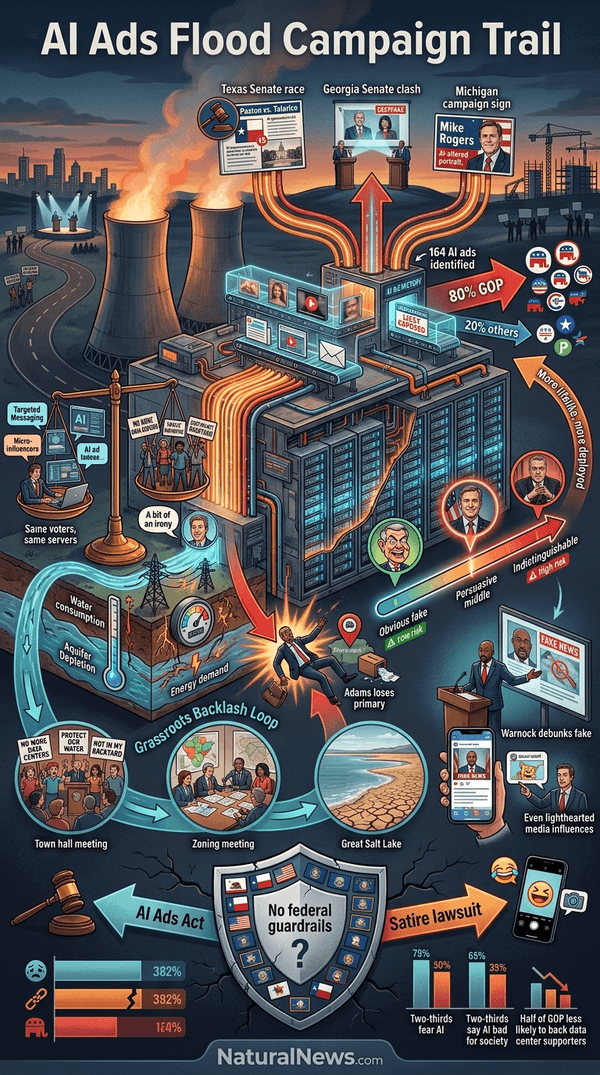
At least 164 political advertisements this year were generated or enhanced by artificial intelligence (AI), according to a Wesleyan Media Project report, as voter frustration over data center construction intensifies across the country.
About 80% of those ads came from Republican candidates or GOP groups, the report said. Examples include a Texas Senate race ad by Attorney General Ken Paxton against Texas State Rep. James Talarico (D-Austin), a Georgia Senate clash over AI-generated images and a Michigan ad featuring an AI-altered image of former Rep. Mike Rogers (R-MI), according to the report.
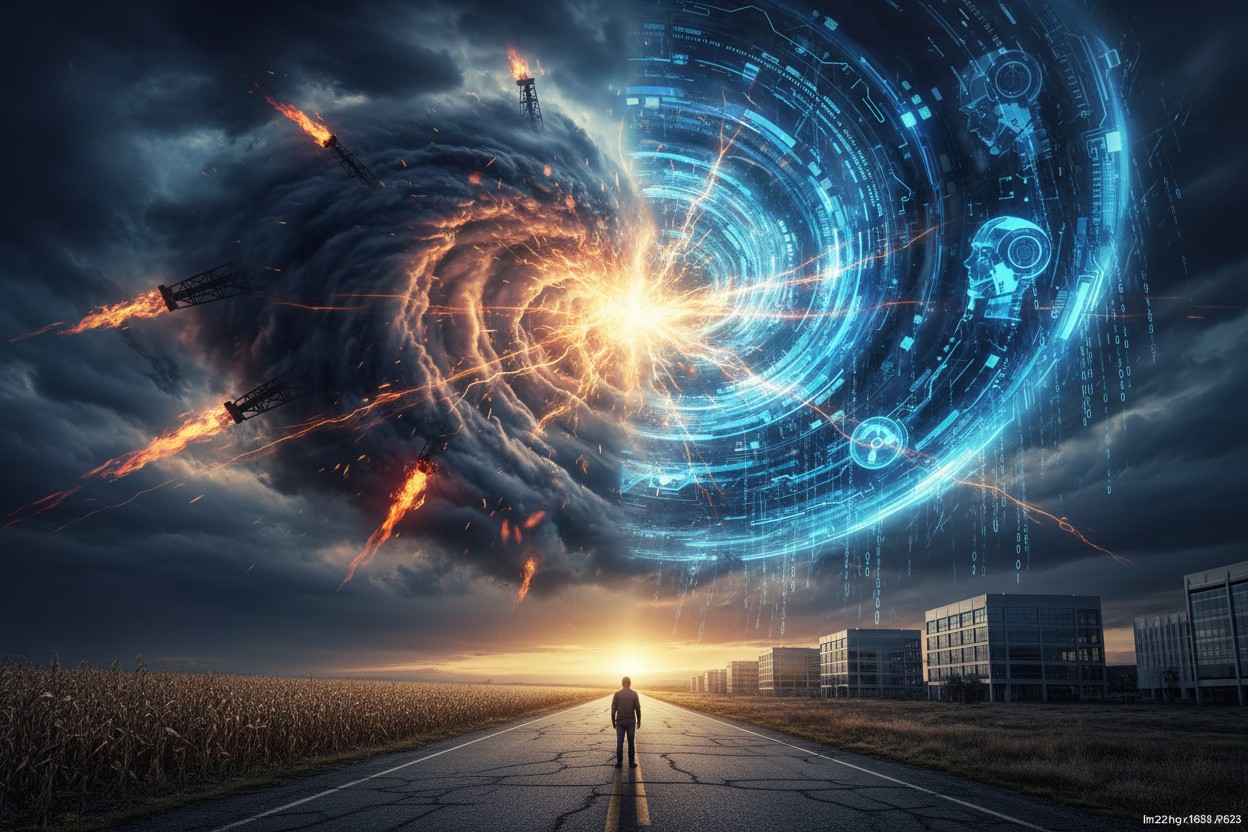
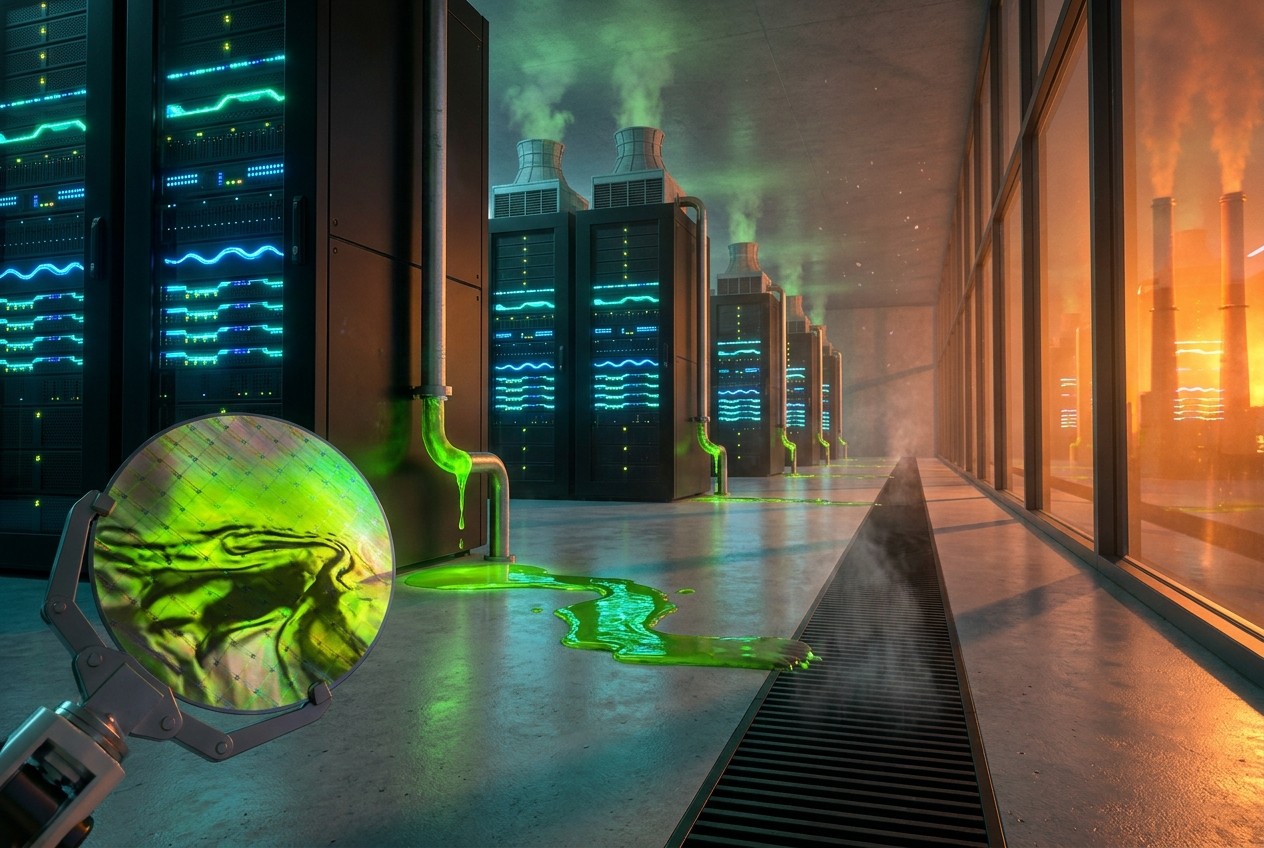
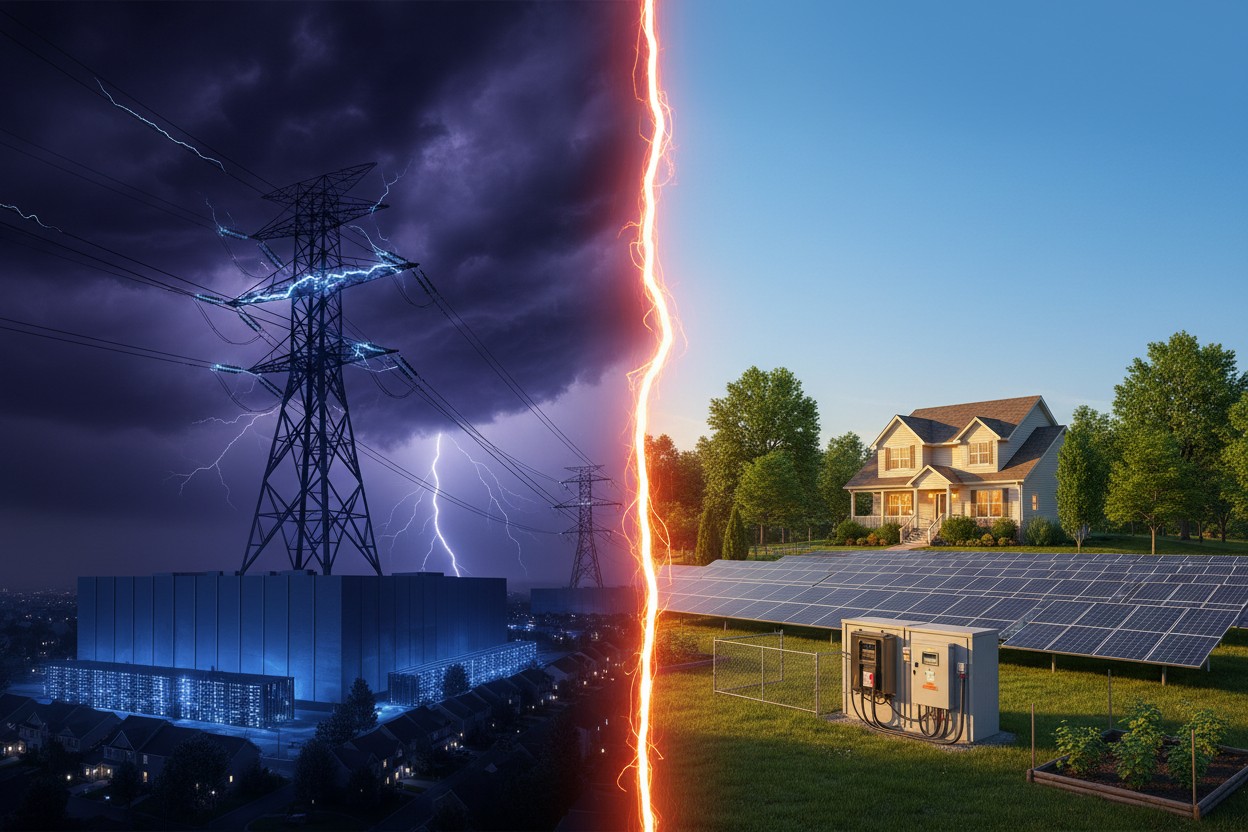
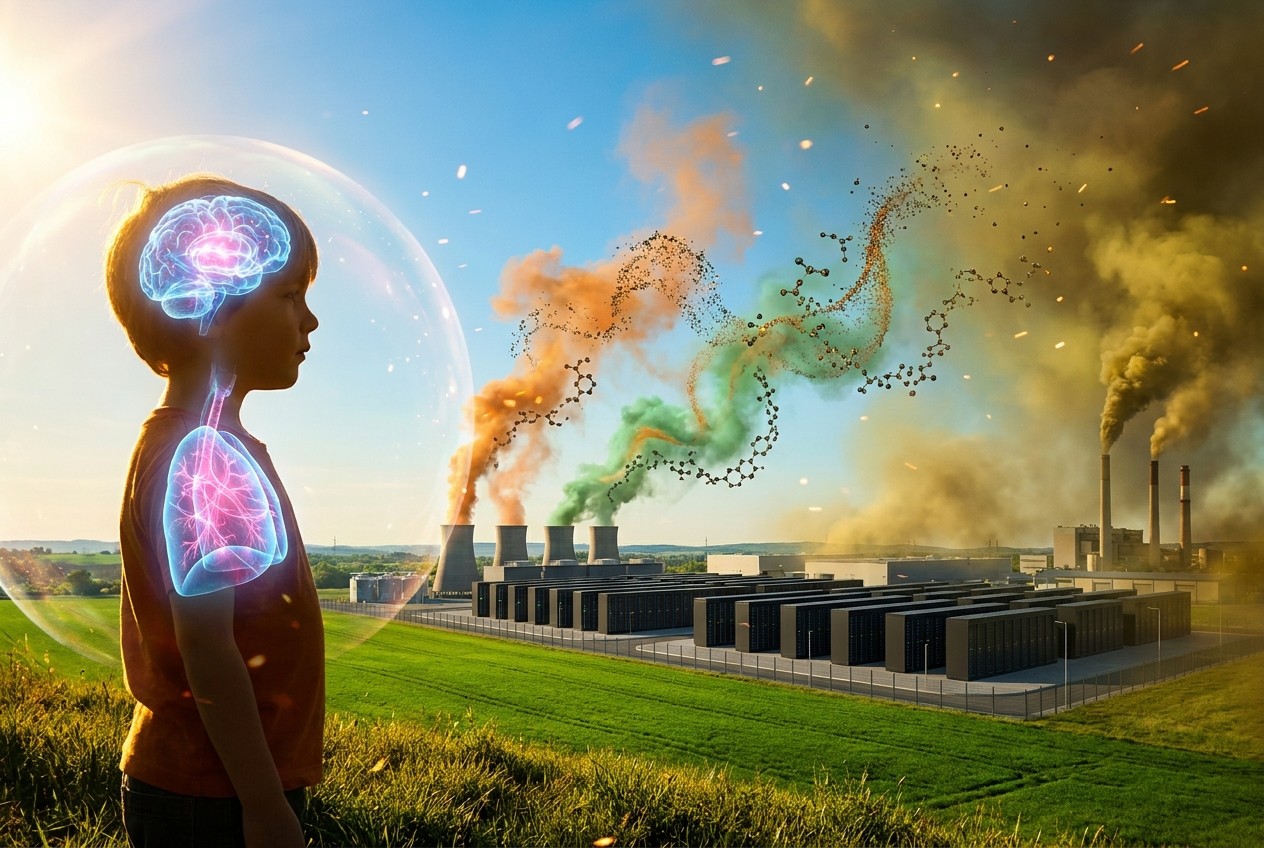
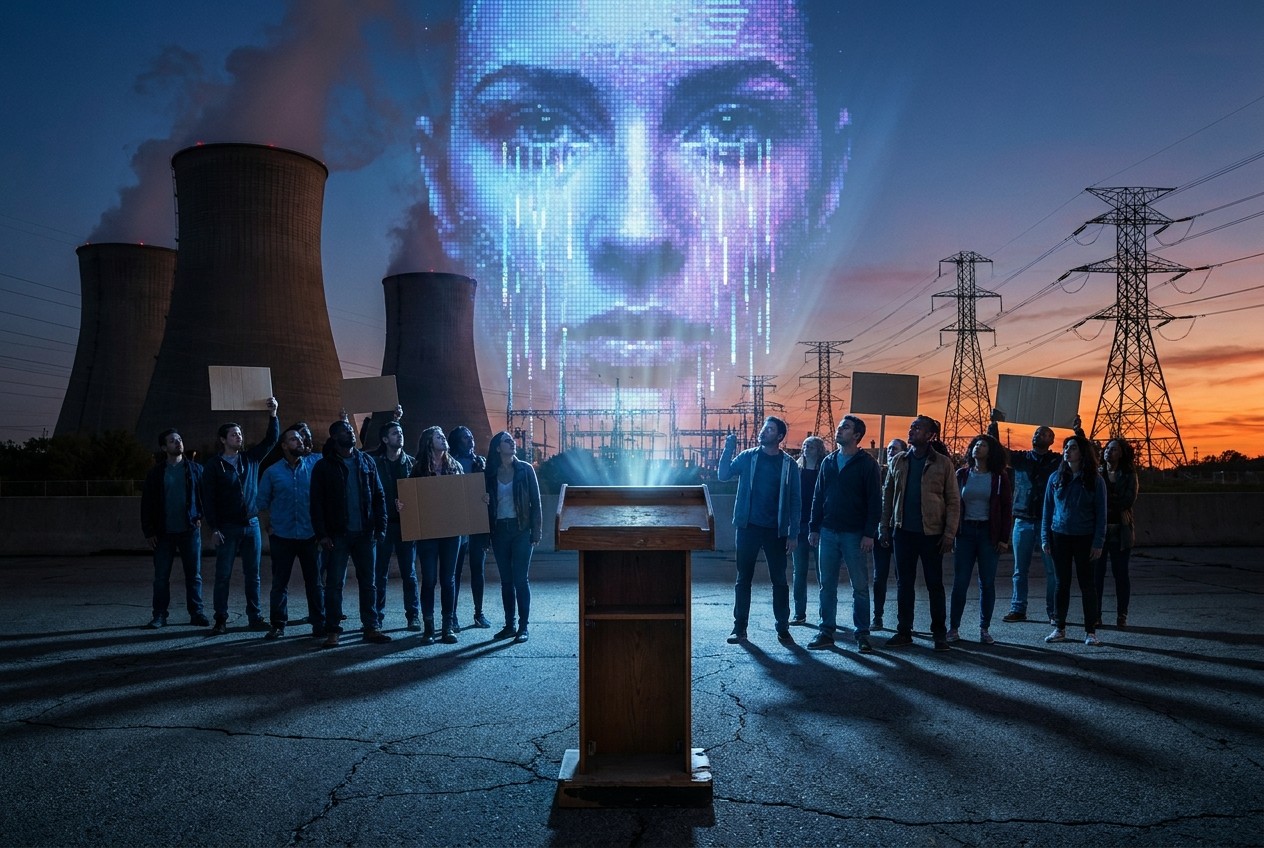
The findings arrive as public opposition to the power-hungry facilities that train and run AI models has moved from local zoning meetings into primary elections. In Utah, State Senate President J. Stuart Adams (R-Layton) lost his GOP primary largely because of his role in the controversial Box Elder County data center project beside the Great Salt Lake, a result described as among the most telling signs of voter backlash to data centers [1].
Candidates Use AI While Opposing Data Centers
Michael Franz, co-director of the Wesleyan Media Project, said there is “a bit of an irony” in the situation because candidates in both parties oppose data centers while their campaigns use AI powered by those same facilities. “The data centers are what generate the AI stuff that people are using,” Franz said.
Paxton has shifted to a tougher stance on AI infrastructure as data center frustration grows in Texas, while Rogers made a similar move in Michigan, according to the report. The dynamic mirrors a broader pattern in which the same voters being courted with AI-produced messaging are also being asked to accept the industrial buildout that makes that messaging possible. The World Economic Forum’s Global Risks Report ranked misinformation and disinformation as the foremost threat to humanity in its 19th edition, ahead of climate change [2].
Deepfakes Raise Misinformation Concerns
Mark Jones, a political science professor at Rice University, said AI ads exist on a continuum from obviously comical to indistinguishable from real life, and the more lifelike they become, the more potentially pernicious. Sen. Raphael Warnock (D-GA) spoke out against AI images falsely claiming he was battling health issues, calling them “bizarre” and “scary” and warning that it will get harder to distinguish fact from fiction, according to the report.
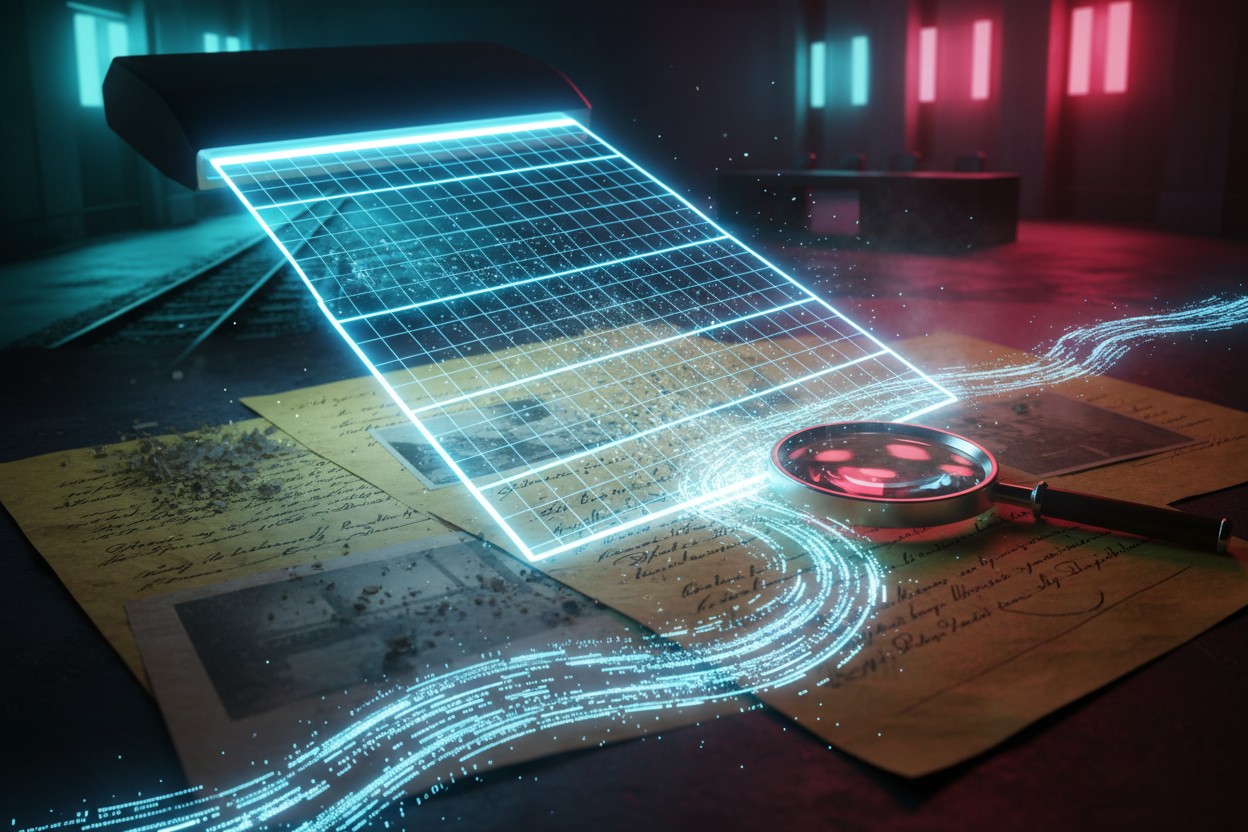
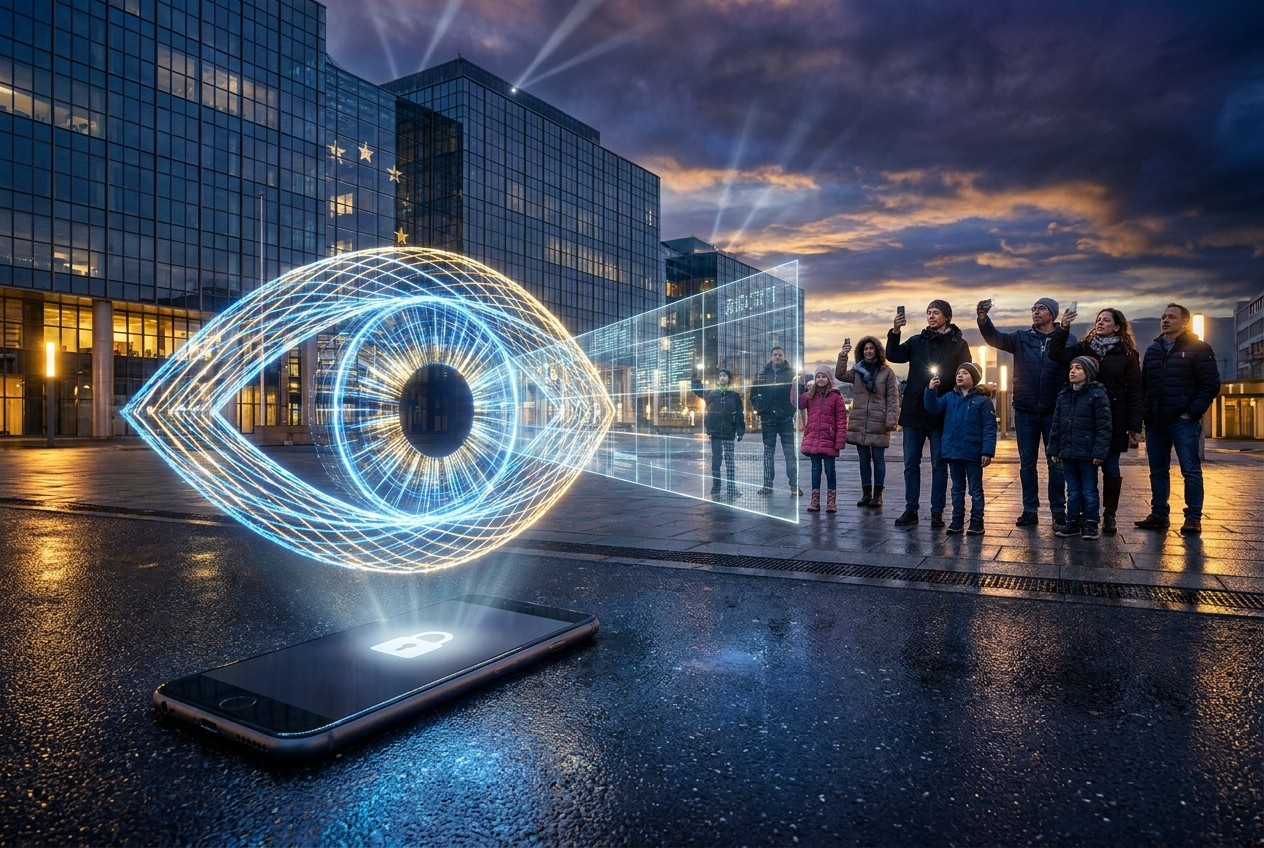
Daniel Schiff of Purdue University cautioned against focusing only on highly deceptive deepfakes, stressing that even positive or lighthearted synthetic media “can influence people.” The Associated Press reported in a May investigation that AI “can not only rapidly produce targeted campaign emails, texts, or videos; it also could be used to mislead voters, impersonate candidates, and undermine elections on a scale and at a speed not yet seen” [2].
Creating fake photos, videos or audio clips previously required considerable resources in terms of time, technical expertise, and finances. However, the advent of AI has drastically lowered these barriers – providing anyone with malicious intent and a smartphone with the power to manipulate public opinion [3].
Regulation Lags as Public Concerns Grow
Thirty-one states have moved to crack down on the technology, according to the National Conference of State Legislatures, but there are no federal guardrails. A Politico survey found about two-thirds of Americans believe AI could someday destroy mankind, and a Marquette University Law School poll found two-thirds think AI is bad for society. Meanwhile, an NBC News poll found nearly half of GOP voters said they would be less likely to support a candidate who backed data center construction.
The regulatory vacuum has drawn competing legislative responses. Sen. Adam Schiff (D-CA) and Rep. Ro Khanna (D-CA) reintroduced the AI Ads Act, which would change the Federal Election Campaign Act to ban the “fraudulent” use of AI to impersonate candidates or committees in federal campaigns [4].
Separately, Christian satirists have sued New Mexico over a law requiring disclaimers on AI political satire. They argued that the statute, unlike those in Hawaii and California, is not limited to campaign season and applies to meme creators and users who share their content [5].
Outlook: Political Risk and Public Opinion
Experts say the average voter may not yet connect synthetic media, data centers and the broader AI boom. Franz said it is “a brand-new world here” and predicted campaigns will “readily adopt and use” AI more without clear regulation. Schiff said if AI begins changing jobs and making people feel more precarious, it will be important to see whether it influences voting behavio0r.
Meanwhile, a group funded by venture capitalists Marc Andreessen and Ben Horowitz, along with OpenAI President Greg Brockman, has formed Build American AI to run ads in key battleground states advocating for data centers, according to reports [6]. The competing pressures suggest the intersection of AI messaging and energy infrastructure will remain a live issue through the midterm cycle.
References
- 100 Percent Fed Up. “Data Center Backlash Spurs Primary Defeat Of Prominent Republican State Lawmaker”. June 25, 2026.
- NaturalNews.com. “AI-Generated Political Ads Spread Across Races, Raising Misinformation Concerns”. August 19, 2026.
- NaturalNews.com. “AI generated deepfakes are beginning to sway public opinion all over the world”. March 19, 2024.
- Reclaim The Net. “Schiff and Khanna Revive the AI Ads Act With No Parody Carveout”. July 31, 2026.
- Just The News. “Breaking Bee? Christian satirists sue New Mexico for requiring ‘disclaimers’ on AI political satire”. August 12, 2026.
- TechCrunch. “A group funded by Andreessen, Horowitz, and Brockman plan data center ads to sway midterms”. August 31, 2026.
Explainer Infographic
Submit a correction >>
Tagged Under:
Adam Schiff, AI ads, AI boom, artificial intelligence, computing, Dangerous, data centers, deception, deepfakes, elections, faked, information technology, James Talarico, Ken Paxton, Midterm elections, Mike Rogers, Raphael Warnock, Ro Khanna, smeared, Texas
This article may contain statements that reflect the opinion of the author
RECENT NEWS & ARTICLES